


Root canal treatment is one of the most misunderstood dental procedures. Many people associate it with severe pain, long recovery times, and unnecessary risks. These misconceptions often cause patients to delay treatment, which can lead to serious dental complications. In reality, modern root canal treatment is safe, effective, and designed to relieve pain—not cause it. This article separates common myths from facts to help you make informed decisions about your dental health.
What Is Root Canal Treatment?
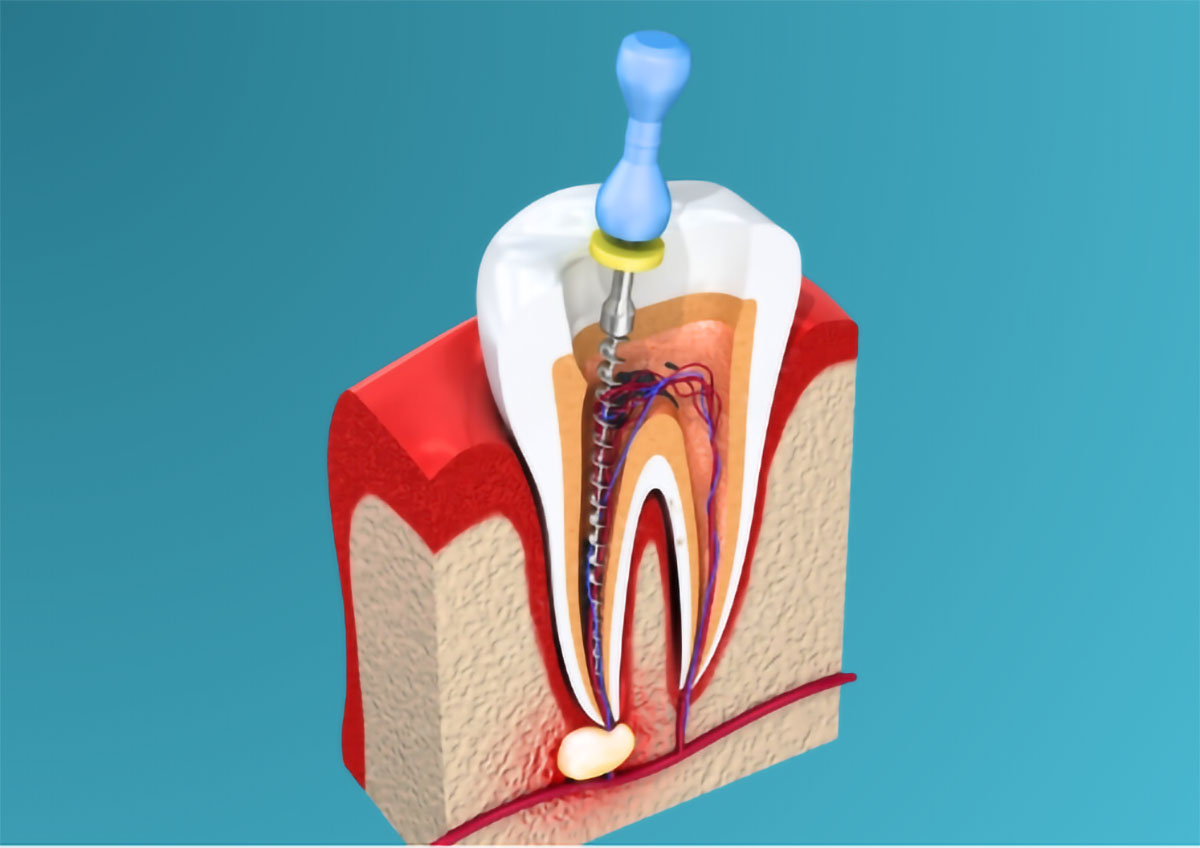
Root canal treatment is a dental procedure used to treat infection or damage inside a tooth. The inner part of the tooth, known as the pulp, contains nerves and blood vessels. When this pulp becomes infected due to deep decay, cracks, or trauma, root canal treatment is required to save the tooth.
Why Root Canal Treatment Is Needed
Causes of Pulp Infection
- Deep tooth decay
- Repeated dental procedures on the same tooth
- Cracked or chipped teeth
- Trauma or injury to the tooth
Symptoms That May Require a Root Canal
- Severe toothache
- Sensitivity to hot or cold
- Swollen or tender gums
- Darkening of the tooth
- Abscess or pus formation
Common Myths About Root Canal Treatment
Myth 1: Root Canal Treatment Is Extremely Painful
This is the most common myth. Many people believe root canal treatment causes intense pain.
Myth 2: Tooth Extraction Is Better Than a Root Canal
Some assume removing the tooth is easier and safer than saving it.
Myth 3: Root Canal Treatment Causes Illness
There is a belief that root canal-treated teeth can lead to infections or diseases elsewhere in the body.
Myth 4: Root Canal Treatment Requires Multiple Painful Visits
Many think the procedure takes several uncomfortable appointments.
Facts About Root Canal Treatment
Fact 1: Root Canal Treatment Relieves Pain
With modern anesthesia and techniques, root canal treatment is no more painful than getting a regular filling. It actually eliminates the pain caused by infection.
Fact 2: Saving Your Natural Tooth Is Best
A root canal allows you to keep your natural tooth, which helps maintain proper chewing, alignment, and jaw health. Tooth extraction can lead to bone loss and shifting of nearby teeth.
Fact 3: Root Canal Treatment Is Safe
There is no scientific evidence linking root canal treatment to systemic diseases. It is a widely accepted and safe dental procedure.
Fact 4: Most Root Canals Are Completed in One or Two Visits
Advancements in dental technology have made the procedure faster and more efficient, often requiring only one or two appointments.
The Root Canal Procedure Explained
Step 1: Diagnosis and X-Ray
The dentist examines the tooth and takes X-rays to assess the extent of the infection.
Step 2: Local Anesthesia
The area around the tooth is numbed to ensure a painless experience.
Step 3: Cleaning the Infected Pulp
The infected pulp is removed, and the inside of the tooth is cleaned and disinfected.
Step 4: Filling and Sealing
The cleaned canal is filled with a biocompatible material and sealed to prevent future infection.
Step 5: Restoration
A crown or filling is placed to restore the tooth’s strength and function.
Benefits of Root Canal Treatment
- Eliminates tooth pain and infection
- Preserves natural teeth
- Prevents the spread of infection
- Restores normal chewing and biting
- Improves overall oral health
What Happens If You Avoid Root Canal Treatment?
Delaying or avoiding treatment can lead to:
- Severe pain and swelling
- Abscess formation
- Bone loss around the tooth
- Spread of infection
- Tooth loss
Early treatment increases the chances of saving the tooth and avoiding complications.
Post-Treatment Care Tips
- Avoid chewing on the treated tooth until fully restored
- Maintain good oral hygiene
- Attend follow-up dental visits
- Get a crown if recommended
Conclusion
Root canal treatment is often surrounded by fear and misinformation, but the facts clearly show that it is a safe, effective, and pain-relieving procedure. Modern dentistry has transformed root canals into a comfortable experience that helps preserve natural teeth and prevent serious dental problems. Understanding the myths versus the facts can help you overcome fear and seek timely treatment, ensuring better oral health and long-term comfort.