


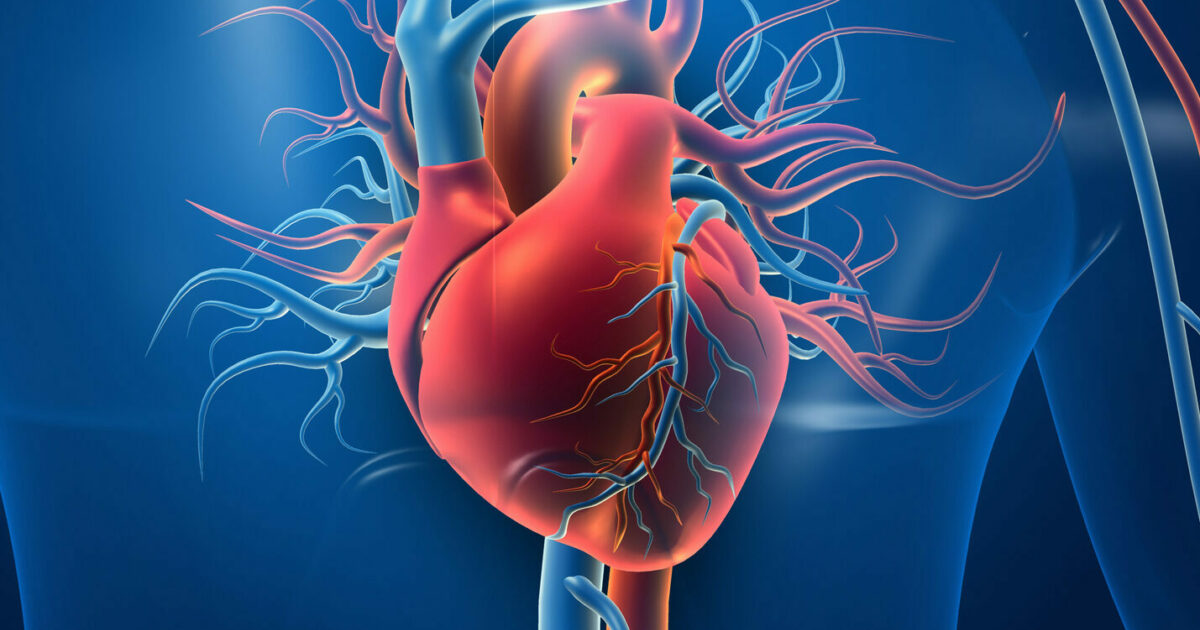
Heart disease is one of the leading causes of death worldwide. It often develops gradually and may not show clear symptoms until a serious event such as a heart attack or stroke occurs. Understanding the risk factors for heart disease is essential for early prevention and long-term heart health. Some risk factors can be controlled through lifestyle changes, while others cannot—but knowing them helps you take timely action.
What Are Risk Factors for Heart Disease?
Risk factors are conditions, habits, or characteristics that increase the likelihood of developing heart disease. The more risk factors a person has, the higher their chance of experiencing heart-related problems.
Major Modifiable Risk Factors
Smoking and Tobacco Use
Smoking damages blood vessels, raises blood pressure, reduces oxygen in the blood, and increases the risk of blood clots. It is one of the most significant and preventable causes of heart disease.
High Blood Pressure (Hypertension)
High blood pressure forces the heart to work harder than normal. Over time, this strain damages arteries and increases the risk of heart attack, heart failure, and stroke.
High Cholesterol Levels
Excess “bad” cholesterol (LDL) can build up in artery walls, forming plaque that narrows and hardens arteries. This reduces blood flow to the heart and increases the risk of heart disease.
Unhealthy Diet
A diet high in saturated fats, trans fats, salt, and sugar contributes to obesity, high cholesterol, and high blood pressure—key contributors to heart disease.
Physical Inactivity
Lack of regular physical activity weakens the heart muscle and increases the risk of obesity, diabetes, and high blood pressure.
Obesity and Overweight
Excess body weight increases strain on the heart and is closely linked to other risk factors such as diabetes, high blood pressure, and high cholesterol.
Medical Conditions That Increase Heart Disease Risk
Diabetes
High blood sugar damages blood vessels and nerves that control the heart. People with diabetes are at a much higher risk of developing heart disease.
Metabolic Syndrome
This condition includes a combination of high blood pressure, high blood sugar, excess body fat around the waist, and abnormal cholesterol levels—all of which increase heart disease risk.
Chronic Stress
Long-term stress can raise blood pressure, increase inflammation, and encourage unhealthy behaviors such as overeating or smoking.
Non-Modifiable Risk Factors
Age
The risk of heart disease increases with age, especially after 45 for men and 55 for women.
Family History
A family history of heart disease, particularly at a young age, increases your own risk due to genetic factors.
Gender
Men generally face a higher risk of heart disease earlier in life, while women’s risk increases significantly after menopause.
Lifestyle Habits That Contribute to Heart Disease
Excessive Alcohol Consumption
Drinking too much alcohol can raise blood pressure, increase cholesterol levels, and damage the heart muscle.
Poor Sleep Patterns
Lack of sleep or sleep disorders can increase blood pressure, inflammation, and stress hormones, all of which harm heart health.
How to Reduce Your Risk of Heart Disease
Adopt a Heart-Healthy Lifestyle
- Eat a balanced diet rich in fruits, vegetables, whole grains, and lean proteins
- Exercise regularly
- Maintain a healthy weight
Avoid Harmful Habits
- Quit smoking
- Limit alcohol intake
- Manage stress effectively
Regular Health Checkups
Routine medical checkups help monitor blood pressure, cholesterol, and blood sugar levels, allowing early detection and treatment.
Importance of Early Awareness
Knowing your personal risk factors empowers you to take preventive steps before serious heart problems develop. Even small lifestyle changes can have a significant positive impact on heart health.
Conclusion
Heart disease often develops due to a combination of lifestyle habits, medical conditions, and genetic factors. While some risk factors such as age and family history cannot be changed, many others—including smoking, diet, physical inactivity, and stress—are within your control. Understanding and managing these risk factors through healthy lifestyle choices and regular medical checkups can greatly reduce the risk of heart disease and improve overall quality of life. Protecting your heart starts with awareness and proactive care.