


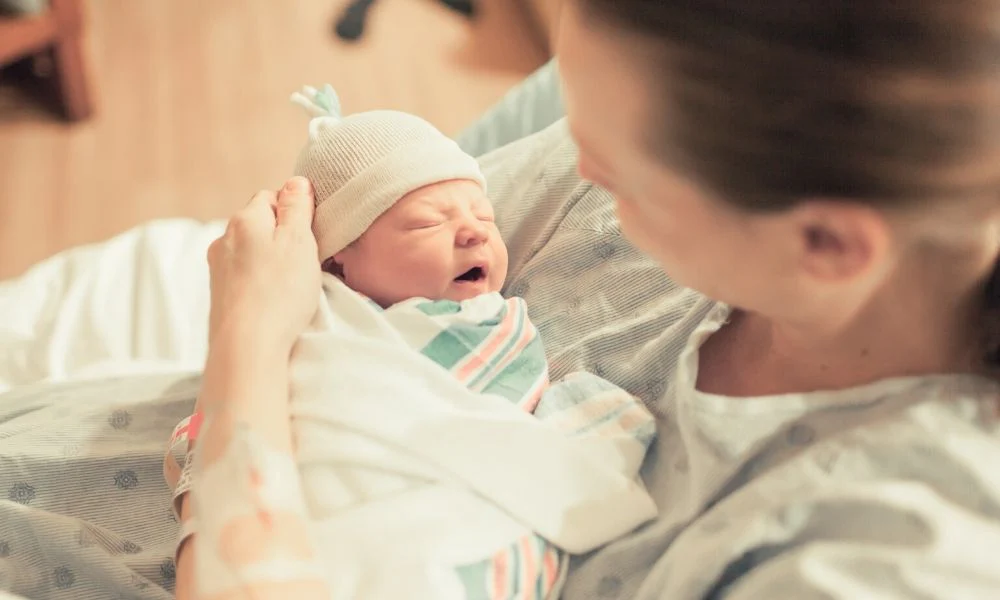
The postpartum period, often referred to as the fourth trimester, is the time after childbirth when a woman’s body and mind begin to recover from pregnancy and delivery. This phase is critical for a mother’s physical healing, emotional well-being, and overall health. Proper postpartum care helps women regain strength, prevent complications, and adjust to the physical and emotional changes that follow childbirth.
Understanding the Postpartum Period
The postpartum period typically lasts for six weeks after delivery, but recovery can take several months. During this time, a woman experiences hormonal shifts, physical healing, and emotional adjustments while adapting to the responsibilities of caring for a newborn.
Physical Changes After Childbirth
Uterine Recovery
After delivery, the uterus gradually shrinks back to its pre-pregnancy size. This process may cause cramping, especially during breastfeeding.
Vaginal and Perineal Healing
Women who have had vaginal births may experience soreness, swelling, or stitches. Healing usually improves over several weeks with proper care.
Recovery After Cesarean Delivery
Cesarean section recovery may take longer and involves incision healing, pain management, and limited physical activity during the initial weeks.
Postpartum Bleeding and Discharge
What Is Normal
Postpartum bleeding, known as lochia, is normal and may last several weeks. It gradually changes in color and flow as healing progresses.
When to Seek Medical Attention
Heavy bleeding, large clots, or foul-smelling discharge may indicate infection or complications and require medical evaluation.
Hormonal Changes and Emotional Health
Baby Blues
Many women experience mood swings, irritability, or tearfulness in the first few weeks after delivery due to hormonal changes and fatigue.
Postpartum Depression
Persistent sadness, anxiety, hopelessness, or difficulty bonding with the baby may indicate postpartum depression and should not be ignored.
Importance of Emotional Support
Support from family, friends, and healthcare providers plays a crucial role in emotional recovery.
Nutrition and Hydration During Postpartum Recovery
Importance of a Balanced Diet
Proper nutrition supports healing, energy levels, and breastfeeding. A balanced diet helps replenish nutrients lost during pregnancy and childbirth.
Key Nutrients for Recovery
- Protein for tissue repair
- Iron to prevent anemia
- Calcium and vitamin D for bone health
- Fluids to maintain hydration
Rest and Sleep for Recovery
Challenges of Sleep Deprivation
Newborn care often disrupts sleep patterns, leading to exhaustion and delayed recovery.
Tips for Better Rest
- Sleep when the baby sleeps
- Ask for help with household tasks
- Prioritize rest over non-essential activities
Physical Activity and Postpartum Exercise
When to Resume Exercise
Light activities such as walking can usually begin soon after delivery, but more intense exercise should wait until medical clearance.
Benefits of Postpartum Exercise
- Improves mood and energy
- Strengthens muscles
- Supports weight management
Breast Health and Postpartum Care
Breastfeeding Changes
Breast tenderness, engorgement, or leaking are common during the early postpartum period.
Caring for Breast Health
Proper breastfeeding techniques, regular feeding, and supportive bras can help prevent discomfort and infections.
Importance of Postpartum Checkups
Medical Follow-Up
Postpartum checkups allow healthcare providers to monitor healing, manage complications, and address emotional well-being.
Topics Covered During Checkups
- Physical recovery
- Mental health screening
- Birth control options
- Breastfeeding support
Self-Care and Mental Well-Being
Taking Time for Yourself
Even short moments of self-care can improve emotional health and reduce stress.
Seeking Help Without Guilt
Asking for help is essential, not a sign of weakness. Support promotes faster recovery and better maternal health.
When to Seek Medical Help
Women should seek medical attention if they experience:
- Heavy or prolonged bleeding
- Severe pain or fever
- Signs of infection
- Persistent sadness or anxiety
- Difficulty caring for themselves or their baby
Early intervention can prevent serious complications.
Conclusion
Postpartum health and recovery are vital aspects of a woman’s overall well-being after childbirth. Physical healing, emotional adjustment, proper nutrition, rest, and medical care all play an essential role in recovery. While every woman’s postpartum journey is different, recognizing normal changes and seeking support when needed can promote a smoother recovery. Prioritizing postpartum care not only benefits the mother but also supports the health and development of the baby, leading to a healthier and more balanced start to motherhood.