


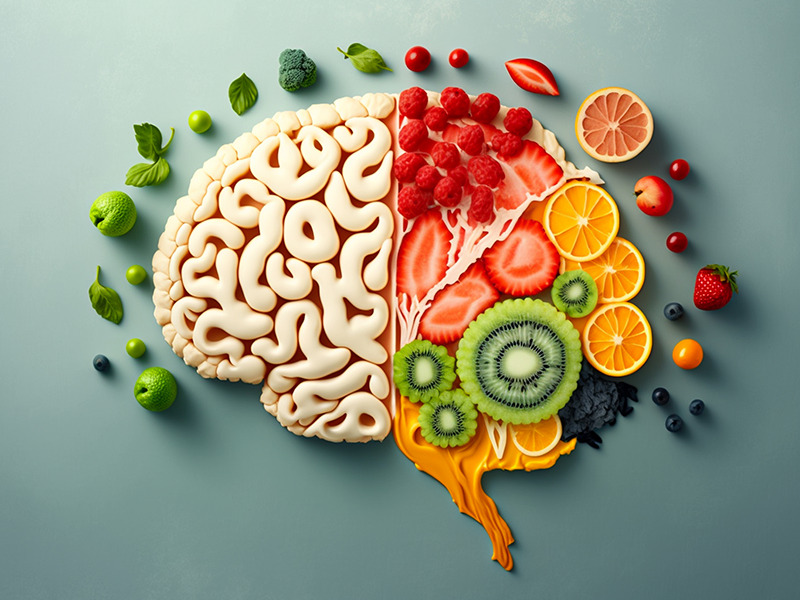
Nutrition plays a vital role in mental health and emotional well-being. The food we eat influences brain structure, brain chemistry, and the production of neurotransmitters that regulate mood, focus, and stress levels. A balanced and nutritious diet can support mental clarity and emotional stability, while poor eating habits may contribute to anxiety, depression, fatigue, and other mental health challenges.
The Connection Between Nutrition and Mental Health
The brain requires a constant supply of nutrients to function properly. Vitamins, minerals, healthy fats, proteins, and carbohydrates all work together to support brain activity. When the body lacks essential nutrients, brain function may suffer, leading to mood changes, poor concentration, and emotional imbalance.
How Poor Nutrition Affects Mental Well-Being
Nutrient Deficiencies and Mental Health
Deficiencies in certain nutrients can negatively affect mental health. For example, low levels of iron, vitamin B12, or magnesium can contribute to fatigue, low mood, and difficulty concentrating.
Blood Sugar Imbalance
Irregular eating habits and excessive sugar intake can cause blood sugar fluctuations, leading to irritability, anxiety, mood swings, and low energy levels.
Role of Key Nutrients in Mental Health
Omega-3 Fatty Acids
Omega-3 fatty acids support brain function and help reduce inflammation. They play a role in improving mood and may reduce symptoms of depression.
B Vitamins
B vitamins help in the production of neurotransmitters such as serotonin and dopamine, which regulate mood and emotions.
Minerals and Brain Function
Minerals like zinc, magnesium, and iron are essential for brain signaling and emotional regulation. Deficiencies can increase stress and anxiety levels.
How Diet Influences Mood and Emotions
Processed Foods and Mental Health
Diets high in processed foods, refined sugars, and unhealthy fats are linked to increased risk of depression and anxiety. These foods may trigger inflammation and negatively affect brain chemistry.
Whole Foods and Emotional Balance
Eating whole foods such as fruits, vegetables, whole grains, lean proteins, and healthy fats supports stable mood, better focus, and improved emotional resilience.
Gut Health and Mental Health
The Gut-Brain Connection
The gut and brain are closely connected through the nervous system. A healthy gut supports the production of neurotransmitters that influence mood and mental clarity.
Importance of Fiber and Probiotics
Fiber-rich foods and probiotics support gut health, which in turn may help reduce stress, anxiety, and depressive symptoms.
Hydration and Mental Performance
Effects of Dehydration
Even mild dehydration can affect mood, memory, and concentration. It may increase feelings of fatigue and mental fog.
Staying Hydrated for Mental Health
Drinking enough water throughout the day supports brain function, emotional regulation, and overall mental performance.
Healthy Eating Habits for Better Mental Health
Balanced Meal Planning
Eating regular, balanced meals helps maintain steady energy levels and emotional stability.
Mindful Eating
Paying attention to hunger cues and food choices can improve the relationship between food and mental well-being.
Limiting Stimulants
Excessive caffeine and sugar can increase anxiety and disrupt sleep, negatively affecting mental health.
Nutrition as Part of Mental Health Care
While nutrition alone cannot replace professional mental health treatment, it plays a powerful supportive role. A healthy diet combined with therapy, exercise, and good sleep can significantly improve mental health outcomes.
Conclusion
Nutrition has a profound impact on mental health. A diet rich in essential nutrients supports brain function, stabilizes mood, and improves emotional resilience. On the other hand, poor nutrition and unhealthy eating habits can contribute to stress, anxiety, depression, and mental fatigue. By choosing whole, nutrient-dense foods, staying hydrated, and maintaining balanced eating habits, individuals can support better mental health and overall well-being. Prioritizing nutrition is a key step toward a healthier mind and a more balanced life.