


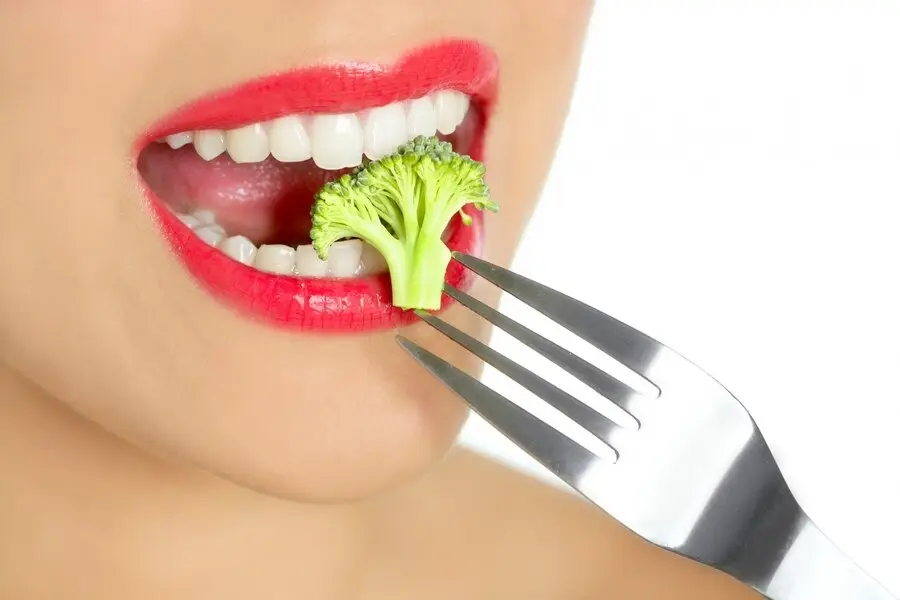
Diet plays a crucial role in maintaining good oral health. What you eat and drink directly affects the strength of your teeth, the health of your gums, and the balance of bacteria in your mouth. A poor diet can lead to tooth decay, gum disease, and other dental problems, while a balanced and nutritious diet helps keep your smile healthy and strong. Understanding the connection between diet and oral health is essential for long-term dental care.
The Relationship Between Diet and Oral Health
Your mouth is the first point of contact for the foods you consume. Sugars, acids, and nutrients interact with teeth and gums daily. Harmful foods can weaken enamel and encourage bacterial growth, while healthy foods provide essential nutrients that protect and repair oral tissues.
Effects of Sugary Foods on Teeth
How Sugar Causes Tooth Decay
Sugary foods and drinks feed harmful bacteria in the mouth. These bacteria produce acids that attack tooth enamel, leading to cavities over time.
Common Sources of Hidden Sugar
- Soft drinks and energy drinks
- Candies and chocolates
- Packaged snacks
- Sweetened cereals and juices
How to Reduce Sugar Damage
- Limit sugary snacks between meals
- Rinse your mouth with water after eating sweets
- Brush teeth twice daily with fluoride toothpaste
Impact of Acidic Foods and Drinks
What Are Acidic Foods?
Acidic foods include citrus fruits, carbonated drinks, vinegar-based foods, and sports drinks. While some are healthy, excessive consumption can harm teeth.
How Acids Damage Teeth
Acids erode tooth enamel, making teeth weaker and more sensitive. Once enamel is lost, it cannot regenerate.
Prevention Tips
- Avoid brushing immediately after acidic foods
- Drink acidic beverages using a straw
- Balance acidic foods with water or dairy products
Role of Calcium and Vitamin D in Dental Health
Importance of Calcium
Calcium strengthens teeth and jawbones, helping maintain tooth structure and stability.
Role of Vitamin D
Vitamin D helps the body absorb calcium efficiently, reducing the risk of tooth loss and gum problems.
Calcium-Rich Foods
- Milk and yogurt
- Cheese
- Leafy green vegetables
- Almonds
How Diet Affects Gum Health
Nutrients Essential for Healthy Gums
Healthy gums depend on proper nutrition, especially vitamins and minerals.
Importance of Vitamin C
Vitamin C helps maintain healthy gum tissue and prevents bleeding gums and inflammation.
Foods That Support Gum Health
- Oranges and strawberries
- Bell peppers
- Broccoli
- Tomatoes
Effect of Processed and Sticky Foods
Why Sticky Foods Are Harmful
Sticky foods cling to teeth and are difficult to remove, increasing the risk of plaque buildup.
Examples of Sticky Foods
- Toffees and caramels
- Dried fruits
- Chips and crackers
Better Alternatives
- Fresh fruits instead of dried fruits
- Nuts and seeds
- Raw vegetables
Importance of Water for Oral Health
How Water Protects Teeth and Gums
Water helps wash away food particles and bacteria, reducing acid buildup. Fluoridated water also strengthens tooth enamel.
Tips for Staying Hydrated
- Drink water after meals
- Choose water instead of sugary drinks
- Keep your mouth moist to prevent dry mouth
Impact of Poor Diet on Oral Health
A diet lacking essential nutrients can weaken teeth, increase gum inflammation, slow healing, and raise the risk of infections. Poor eating habits often contribute to gum disease, tooth loss, and chronic bad breath.
Healthy Eating Habits for Better Oral Health
- Eat a balanced diet rich in fruits, vegetables, proteins, and dairy
- Limit sugary and acidic foods
- Avoid frequent snacking
- Maintain proper oral hygiene along with healthy eating
Conclusion
Diet has a powerful impact on the health of your teeth and gums. Consuming too much sugar and acidic foods can lead to tooth decay and gum disease, while a balanced diet rich in calcium, vitamins, and minerals helps maintain strong teeth and healthy gums. By making smart food choices, drinking plenty of water, and maintaining good oral hygiene, you can protect your oral health and enjoy a confident, healthy smile for years to come.