


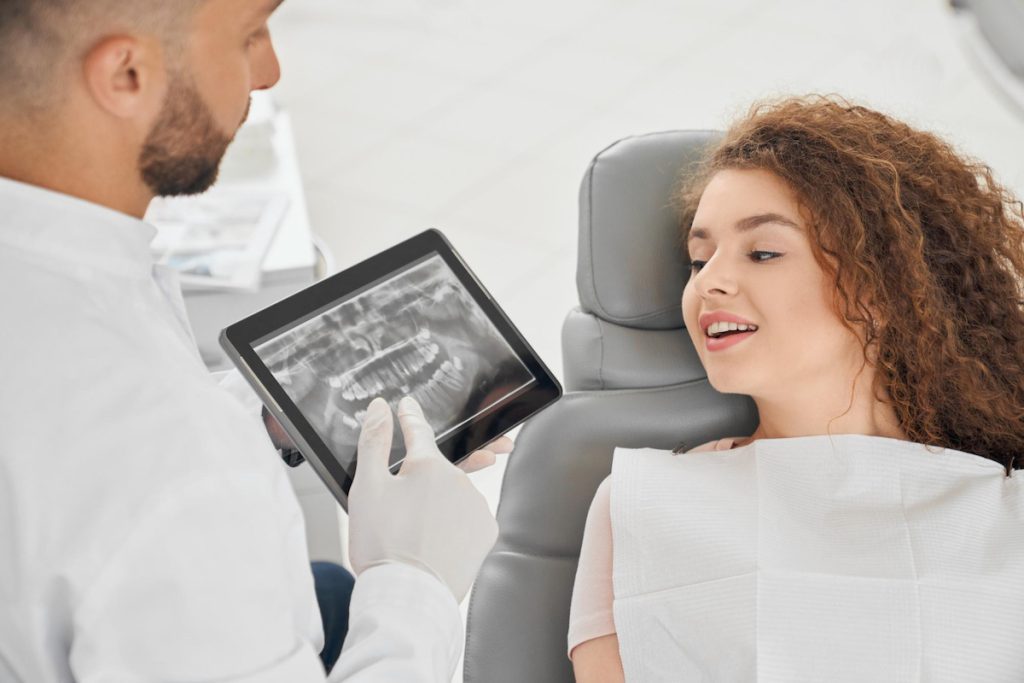
Dental X-rays are a common diagnostic tool used by dentists to detect oral health problems that are not visible during a regular dental examination. Many people worry about radiation exposure and often question whether dental X-rays are truly safe and necessary. Understanding how dental X-rays work, why they are used, and their safety measures can help reduce fear and promote informed decision-making.
What Are Dental X-Rays?
Dental X-rays are imaging tests that use low levels of radiation to capture images of teeth, bones, and surrounding tissues. These images help dentists identify hidden dental issues before they become serious problems.
Why Dental X-Rays Are Necessary
Detecting Hidden Dental Problems
Dental X-rays allow dentists to see issues that cannot be detected with the naked eye, such as:
- Cavities between teeth
- Infections at the root of a tooth
- Bone loss caused by gum disease
- Impacted teeth
- Jawbone abnormalities
Early Diagnosis and Prevention
Early detection through X-rays helps prevent minor problems from turning into painful and costly treatments. Treating issues early often leads to better outcomes and preserves natural teeth.
Types of Dental X-Rays
Bitewing X-Rays
These X-rays show the upper and lower back teeth and are commonly used to detect cavities between teeth.
Periapical X-Rays
These images show the entire tooth from crown to root and help detect root infections or bone damage.
Panoramic X-Rays
Panoramic X-rays provide a broad view of the entire mouth, including jaws, sinuses, and wisdom teeth.
Digital Dental X-Rays
Digital X-rays use advanced technology and expose patients to significantly less radiation than traditional film X-rays.
Are Dental X-Rays Safe?
Radiation Exposure Levels
Dental X-rays use very low radiation levels. Modern dental technology has reduced exposure dramatically, making them safer than ever before.
Safety Measures Used in Dentistry
Dentists follow strict safety protocols, including:
- Using lead aprons and thyroid collars
- Limiting X-rays to necessary situations
- Using digital imaging systems
Who Needs Extra Precautions?
Pregnant women and children may require additional precautions. Dentists carefully evaluate the need for X-rays and only recommend them when absolutely necessary.
How Often Are Dental X-Rays Needed?
The frequency of dental X-rays depends on individual factors such as:
- Age
- Oral health condition
- Risk of tooth decay
- History of dental problems
Patients with good oral health may need X-rays less frequently, while those with ongoing dental issues may require them more often.
Common Myths About Dental X-Rays
Myth: Dental X-Rays Are Dangerous
The radiation dose from dental X-rays is extremely low and considered safe when used appropriately.
Myth: X-Rays Are Always Required
Dentists only recommend X-rays when they are necessary for diagnosis or treatment planning.
Myth: One X-Ray Can Cause Serious Harm
The amount of radiation from a single dental X-ray is minimal and comparable to everyday environmental exposure.
Benefits of Dental X-Rays
- Accurate diagnosis
- Early detection of oral diseases
- Reduced risk of complications
- Better treatment planning
- Long-term oral health protection
Conclusion
Dental X-rays are both safe and necessary when used responsibly. They play a vital role in detecting hidden dental problems, guiding treatment decisions, and preventing serious oral health issues. With modern technology and strict safety measures, the benefits of dental X-rays far outweigh the risks. Regular dental checkups combined with appropriate X-ray use help ensure healthy teeth, strong gums, and long-term oral well-being.