


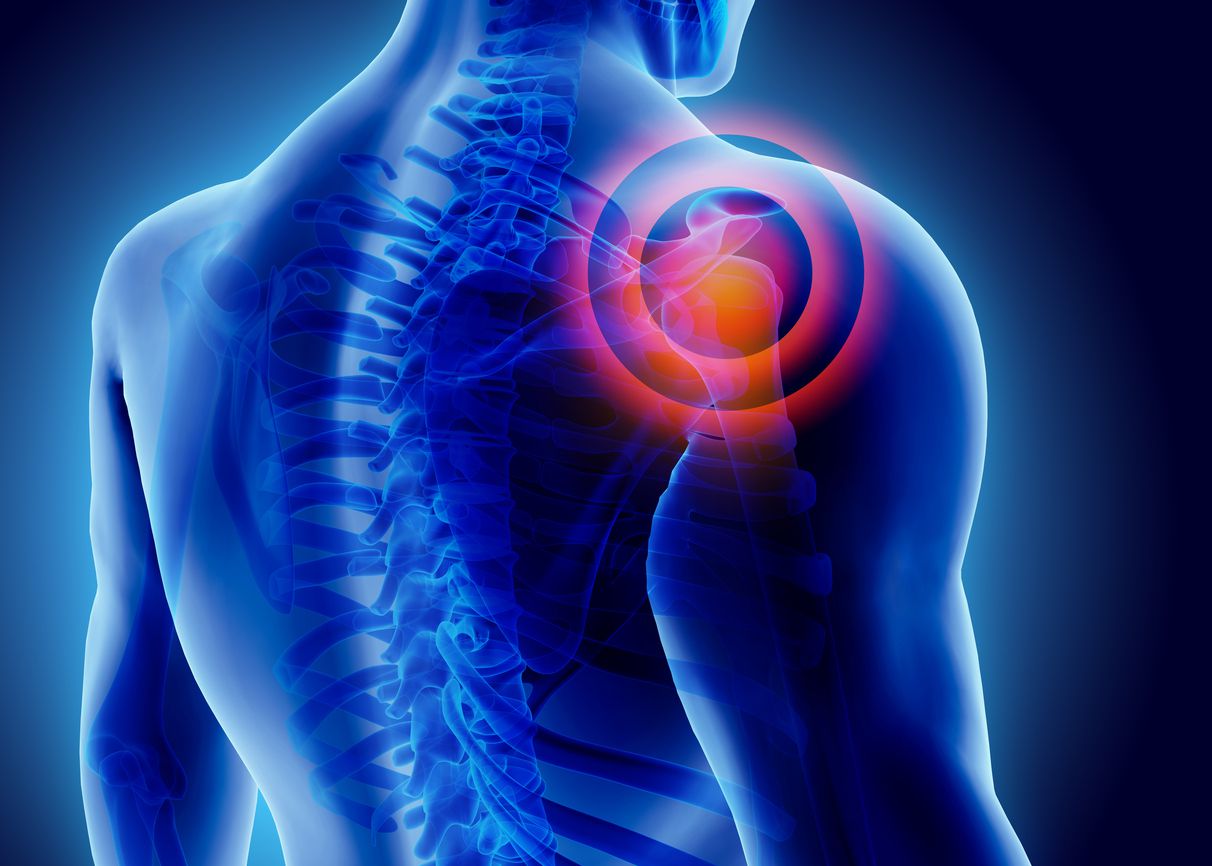
Pain is one of the most common reasons people seek medical care. While pain is often viewed as a single experience, it actually falls into different categories. The two main types are acute pain and chronic pain. Understanding the differences between these types is essential for proper diagnosis, treatment, and long-term pain management.
Understanding Pain
Pain is the body’s natural warning system. It signals that something is wrong and requires attention. However, not all pain serves the same purpose. Some pain is short-lived and protective, while other pain persists long after the initial cause has healed.
What Is Acute Pain?
Definition of Acute Pain
Acute pain is short-term pain that appears suddenly and is usually linked to a specific injury, illness, or medical condition. It typically resolves once the underlying cause is treated.
Common Causes of Acute Pain
- Injuries such as cuts, fractures, or burns
- Surgical procedures
- Infections or inflammation
- Dental pain
- Muscle strains
Characteristics of Acute Pain
- Sudden onset
- Sharp or intense sensation
- Short duration
- Improves with healing
Acute pain plays a protective role by alerting the body to injury.
What Is Chronic Pain?
Definition of Chronic Pain
Chronic pain is pain that lasts longer than expected healing time, usually for three months or more. It may continue even after the original injury or illness has healed.
Common Causes of Chronic Pain
- Arthritis
- Nerve damage or neuropathy
- Back and neck conditions
- Migraines
- Fibromyalgia
- Long-term inflammatory conditions
Characteristics of Chronic Pain
- Persistent or recurring
- May be mild to severe
- Can last months or years
- Often affects emotional and mental health
Chronic pain is considered a medical condition rather than just a symptom.
Key Differences Between Acute and Chronic Pain
Duration
- Acute pain is temporary
- Chronic pain lasts long-term
Cause
- Acute pain has a clear cause
- Chronic pain may continue without an obvious cause
Purpose
- Acute pain serves as a warning signal
- Chronic pain does not provide protective benefits
Impact on Daily Life
- Acute pain usually limits activity temporarily
- Chronic pain can interfere with work, sleep, mood, and relationships
Emotional and Psychological Effects
Acute Pain and Emotions
Acute pain may cause temporary stress or discomfort but usually does not lead to long-term emotional issues.
Chronic Pain and Mental Health
Chronic pain often leads to:
- Anxiety
- Depression
- Sleep disturbances
- Emotional exhaustion
Managing mental health is a key part of chronic pain treatment.
Treatment Approaches for Acute Pain
Medical Treatment
- Pain-relief medications
- Anti-inflammatory treatments
- Rest and physical support
Recovery Focus
Treatment focuses on healing the underlying cause and relieving pain during recovery.
Treatment Approaches for Chronic Pain
Long-Term Pain Management
Chronic pain often requires a combination of treatments, including:
- Physical therapy
- Lifestyle changes
- Stress management
- Psychological support
Goal of Treatment
The goal is not always to eliminate pain completely but to improve function and quality of life.
When Acute Pain Becomes Chronic
In some cases, acute pain does not resolve properly and develops into chronic pain. This can happen due to:
- Incomplete healing
- Ongoing inflammation
- Nerve damage
- Delayed or inadequate treatment
Early pain management reduces the risk of chronic pain development.
Importance of Proper Diagnosis
Correctly identifying whether pain is acute or chronic helps healthcare providers choose the most effective treatment plan. Mismanagement can lead to prolonged suffering and reduced quality of life.
When to Seek Medical Help
You should seek professional care if:
- Pain is severe or worsening
- Pain lasts longer than expected
- Pain interferes with daily activities
- Pain affects sleep or mental health
Early intervention leads to better outcomes.
Conclusion
Acute and chronic pain differ significantly in duration, causes, and impact on daily life. Acute pain is short-term and protective, while chronic pain is long-lasting and often complex. Understanding these differences helps individuals seek appropriate care and manage pain more effectively. With timely diagnosis, proper treatment, and supportive care, both acute and chronic pain can be managed to improve comfort, function, and overall quality of life.