


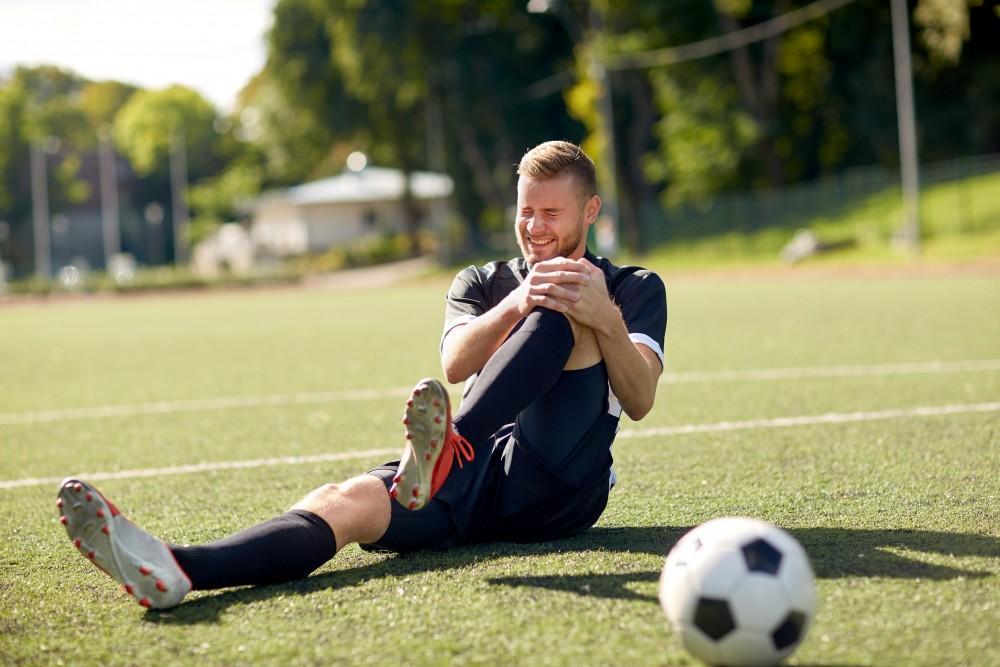
Sports injuries are common among athletes and physically active individuals of all ages. These injuries can range from minor muscle strains to more serious ligament tears and fractures. Effective pain management is essential not only for relieving discomfort but also for promoting proper healing and preventing long-term complications. Understanding the right pain management strategies helps injured individuals return to activity safely and efficiently.
Understanding Sports Injuries
Sports injuries occur due to sudden impact, overuse, improper technique, or inadequate warm-up. They can affect muscles, joints, ligaments, tendons, and bones. Pain is often the first sign of injury and should never be ignored.
Common Types of Sports Injuries
Muscle Strains
Muscle strains occur when muscle fibers are overstretched or torn, often due to sudden movements or overuse.
Ligament Sprains
Sprains happen when ligaments are stretched or torn, commonly affecting the ankle, knee, or wrist.
Tendon Injuries
Tendinitis results from inflammation of tendons caused by repetitive motion or excessive strain.
Joint Injuries
Injuries to the knee, shoulder, or elbow are common in sports involving jumping, throwing, or sudden direction changes.
Importance of Early Pain Management
Early pain management helps reduce inflammation, control swelling, and prevent further injury. Proper treatment in the initial stages speeds up recovery and reduces the risk of chronic pain.
Immediate Pain Relief Strategies
Rest and Activity Modification
Resting the injured area prevents further damage and allows the healing process to begin.
Ice Therapy
Applying ice helps reduce swelling, inflammation, and pain, especially within the first 48 hours after injury.
Compression and Elevation
Compression bandages and elevating the injured area help control swelling and improve blood circulation.
Medical Pain Management Options
Pain-Relief Medications
Doctors may recommend medications to reduce pain and inflammation. These should always be used as directed.
Injections for Severe Pain
In certain cases, medical injections may be used to reduce inflammation and relieve pain when conservative treatments are ineffective.
Role of Physical Therapy in Sports Injury Pain Management
Benefits of Physical Therapy
Physical therapy helps restore strength, flexibility, and range of motion while reducing pain.
Rehabilitation Exercises
Targeted exercises help rebuild injured tissues and prevent future injuries.
Manual Therapy Techniques
Hands-on techniques may be used to reduce stiffness, improve mobility, and ease pain.
Non-Medical Pain Management Techniques
Heat Therapy
Heat can be helpful during later stages of recovery to relax muscles and improve blood flow.
Stretching and Mobility Work
Gentle stretching reduces stiffness and promotes healing when introduced at the right time.
Lifestyle Adjustments for Faster Recovery
Proper Nutrition
A diet rich in protein, vitamins, and minerals supports tissue repair and reduces inflammation.
Adequate Sleep and Rest
Quality sleep is essential for muscle recovery and pain reduction.
Psychological Aspects of Pain Management
Mental Impact of Sports Injuries
Injuries can cause frustration, anxiety, and loss of confidence, which may worsen pain perception.
Importance of Mental Support
Positive mindset, stress management, and professional counseling can support recovery.
Preventing Pain from Future Sports Injuries
Proper Warm-Up and Cool-Down
Warming up prepares muscles for activity, while cooling down reduces stiffness.
Correct Technique and Training
Using proper form and gradually increasing training intensity lowers injury risk.
Protective Equipment
Wearing appropriate gear helps prevent injuries during sports activities.
When to Seek Professional Help
Medical attention is necessary if:
- Pain is severe or persistent
- Swelling does not improve
- Movement is limited
- There is numbness or weakness
Early professional care prevents complications and long-term damage.
Conclusion
Pain management for sports injuries is a crucial part of recovery and long-term physical health. A combination of early care, medical treatment, physical therapy, lifestyle adjustments, and mental support helps reduce pain and promote healing. Addressing sports injuries promptly and following a structured pain management plan allows individuals to return to activity safely while minimizing the risk of future injuries. Effective pain management not only relieves discomfort but also supports stronger, healthier performance in the long run.