


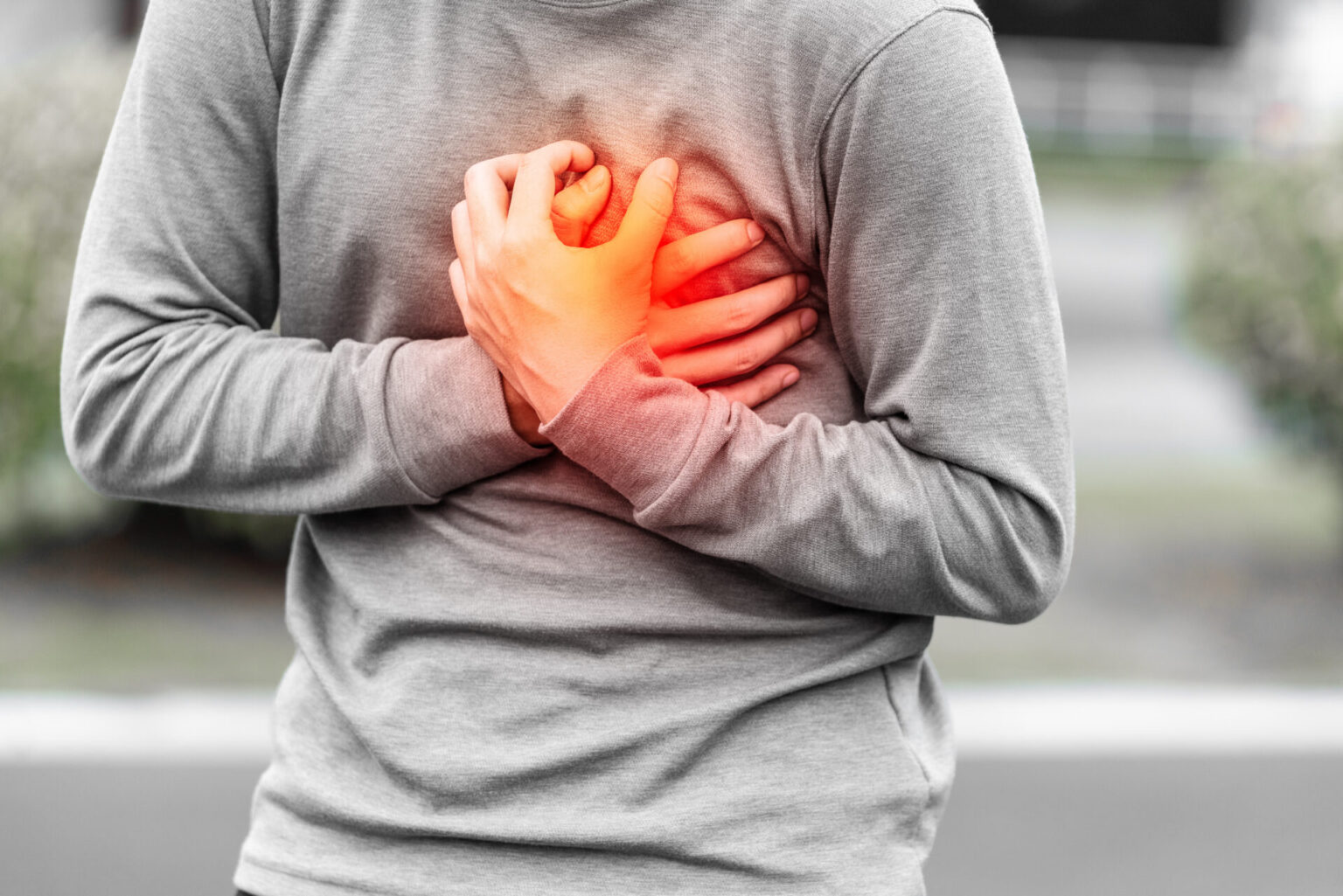
A heart attack is a serious and life-threatening medical emergency that occurs when blood flow to the heart muscle is suddenly blocked. It is one of the leading causes of death worldwide. Understanding the causes, recognizing early symptoms, and adopting preventive measures can significantly reduce the risk and save lives. Early awareness and timely medical care play a crucial role in improving survival and long-term heart health.
What Is a Heart Attack?
A heart attack, medically known as myocardial infarction, occurs when one or more coronary arteries become blocked. These arteries supply oxygen-rich blood to the heart muscle. When blood flow is interrupted, the heart muscle begins to suffer damage, which can become permanent if not treated quickly.
Causes of a Heart Attack
Blocked Coronary Arteries
The most common cause of a heart attack is the buildup of fatty deposits, known as plaque, in the coronary arteries. When plaque ruptures, it can form a blood clot that blocks blood flow.
Atherosclerosis
Atherosclerosis is a condition in which arteries become narrowed and hardened due to plaque buildup. This condition develops over time and significantly increases the risk of heart attack.
Blood Clots
Blood clots can suddenly block an artery, cutting off blood supply to the heart muscle and triggering a heart attack.
Coronary Artery Spasm
In some cases, a sudden tightening or spasm of a coronary artery can reduce blood flow and cause a heart attack, even without plaque buildup.
Risk Factors for Heart Attack
Modifiable Risk Factors
- Smoking
- High blood pressure
- High cholesterol
- Poor diet
- Lack of physical activity
- Obesity
- Excessive stress
Non-Modifiable Risk Factors
- Age
- Family history of heart disease
- Gender
- Genetic factors
Understanding and managing risk factors is essential for heart attack prevention.
Symptoms of a Heart Attack
Common Symptoms
- Chest pain or discomfort, often described as pressure or tightness
- Pain spreading to the arms, neck, jaw, back, or shoulders
- Shortness of breath
- Cold sweats
- Nausea or vomiting
Less Common Symptoms
- Extreme fatigue
- Dizziness or lightheadedness
- Indigestion-like discomfort
Symptoms can vary from person to person and may be different in women, older adults, and people with diabetes.
Warning Signs Not to Ignore
Silent Heart Attacks
Some heart attacks occur with mild or no noticeable symptoms. These are known as silent heart attacks and are especially common in people with diabetes.
When to Seek Emergency Help
Immediate medical attention is required if chest pain lasts more than a few minutes or is accompanied by shortness of breath, sweating, or fainting.
How Heart Attacks Are Diagnosed
Doctors use several methods to diagnose a heart attack, including:
- Electrocardiogram (ECG)
- Blood tests to detect heart damage
- Imaging tests such as echocardiograms
Early diagnosis improves treatment outcomes and reduces complications.
Prevention of Heart Attacks
Healthy Eating Habits
- Eat fruits, vegetables, whole grains, and lean proteins
- Reduce salt, sugar, and saturated fat intake
- Avoid processed and fried foods
Regular Physical Activity
Engaging in regular exercise helps maintain healthy blood pressure, cholesterol levels, and body weight.
Quit Smoking
Smoking is a major risk factor for heart attacks. Quitting smoking significantly lowers the risk and improves heart health.
Manage Blood Pressure and Cholesterol
Regular health checkups and proper medication, if needed, help control blood pressure and cholesterol levels.
Stress Management
Chronic stress can increase heart attack risk. Relaxation techniques, adequate sleep, and emotional support are important.
Importance of Regular Heart Checkups
Routine heart screenings help detect risk factors early and allow for timely intervention. People with a family history of heart disease should be especially vigilant.
Life After a Heart Attack
Recovery after a heart attack involves lifestyle changes, medication adherence, cardiac rehabilitation, and regular follow-ups. With proper care, many people can return to a healthy and active life.
Conclusion
A heart attack is a serious condition, but it is often preventable. Understanding its causes, recognizing early symptoms, and taking preventive steps can greatly reduce the risk. Healthy lifestyle choices, regular medical checkups, and prompt medical attention during warning signs are key to protecting heart health. By staying informed and proactive, individuals can significantly improve their chances of preventing heart attacks and living a longer, healthier life.