


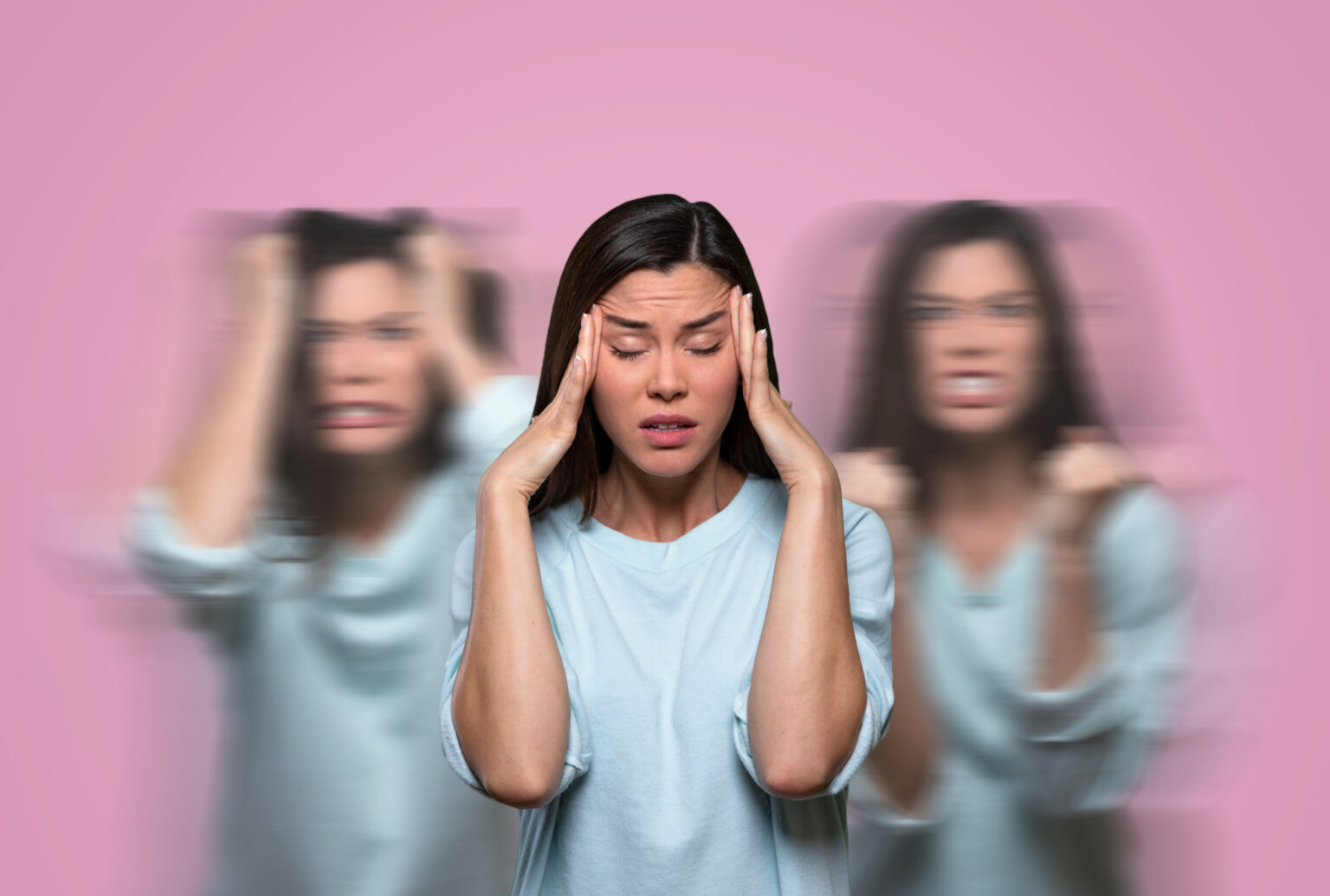
Stress is a natural part of life, but when it becomes overwhelming or long-lasting, it can seriously affect mental health. Daily pressures from work, relationships, finances, or health can build up and lead to anxiety, depression, emotional exhaustion, and physical illness. Learning how to manage stress effectively is essential for maintaining emotional balance, mental clarity, and overall well-being.
Understanding Stress and Mental Health
Stress is the body’s response to challenges or demands. Short-term stress can be helpful by increasing focus and motivation, but chronic stress can harm both the mind and body. When stress is not managed properly, it may disrupt sleep, weaken concentration, affect mood, and reduce the ability to cope with everyday situations.
Common Sources of Stress
Work and Academic Pressure
Deadlines, workload, job insecurity, and performance expectations are major sources of stress for many individuals.
Personal and Relationship Issues
Conflicts with family or friends, loneliness, or relationship problems can create emotional stress.
Financial Stress
Money-related concerns such as debt, bills, or job loss can cause persistent anxiety and worry.
Health and Lifestyle Factors
Poor sleep, unhealthy diet, lack of exercise, and chronic illness can increase stress levels.
Effects of Stress on Mental Health
Emotional Effects
- Anxiety and constant worry
- Irritability and mood swings
- Feelings of helplessness or sadness
Cognitive Effects
- Difficulty concentrating
- Poor decision-making
- Negative thinking patterns
Behavioral Effects
- Social withdrawal
- Overeating or loss of appetite
- Increased use of alcohol or unhealthy habits
Healthy Ways to Manage Stress
Practice Mindfulness and Relaxation
Mindfulness techniques such as deep breathing, meditation, and progressive muscle relaxation help calm the mind and reduce stress responses.
Maintain a Balanced Routine
Creating a daily routine that includes work, rest, and leisure helps bring structure and stability to life.
Get Regular Physical Activity
Exercise releases endorphins, which improve mood and reduce stress. Even light activities like walking or stretching can be beneficial.
Importance of Sleep in Stress Management
How Sleep Reduces Stress
Quality sleep allows the brain to recover and regulate emotions. Poor sleep increases stress sensitivity and emotional reactivity.
Tips for Better Sleep
- Go to bed and wake up at the same time
- Avoid screens before bedtime
- Create a calm sleep environment
Nutrition and Stress Control
Foods That Support Mental Health
A balanced diet supports brain function and emotional regulation.
Helpful Dietary Tips
- Eat regular meals
- Reduce caffeine and sugar intake
- Stay hydrated
Building Emotional Resilience
Positive Thinking and Self-Talk
Challenging negative thoughts and practicing self-compassion can reduce emotional stress.
Time Management Skills
Prioritizing tasks and setting realistic goals helps prevent feeling overwhelmed.
Social Support
Talking to friends, family, or trusted individuals can provide emotional relief and perspective.
When Stress Becomes Too Much
Signs Stress Is Affecting Mental Health
- Constant anxiety or panic
- Emotional exhaustion
- Loss of motivation
- Feeling unable to cope
Seeking Professional Support
If stress interferes with daily functioning or lasts for an extended period, professional mental health support can help develop effective coping strategies.
Long-Term Stress Prevention Strategies
- Set healthy boundaries
- Learn to say no when necessary
- Make time for hobbies and relaxation
- Practice gratitude and self-care
Conclusion
Managing stress is essential for better mental health and overall quality of life. While stress cannot be completely avoided, it can be managed through healthy habits, emotional awareness, and effective coping strategies. Regular exercise, proper sleep, balanced nutrition, mindfulness, and social support all play a vital role in reducing stress. By recognizing stress early and taking proactive steps to manage it, individuals can protect their mental health, improve emotional resilience, and lead a more balanced and fulfilling life.