


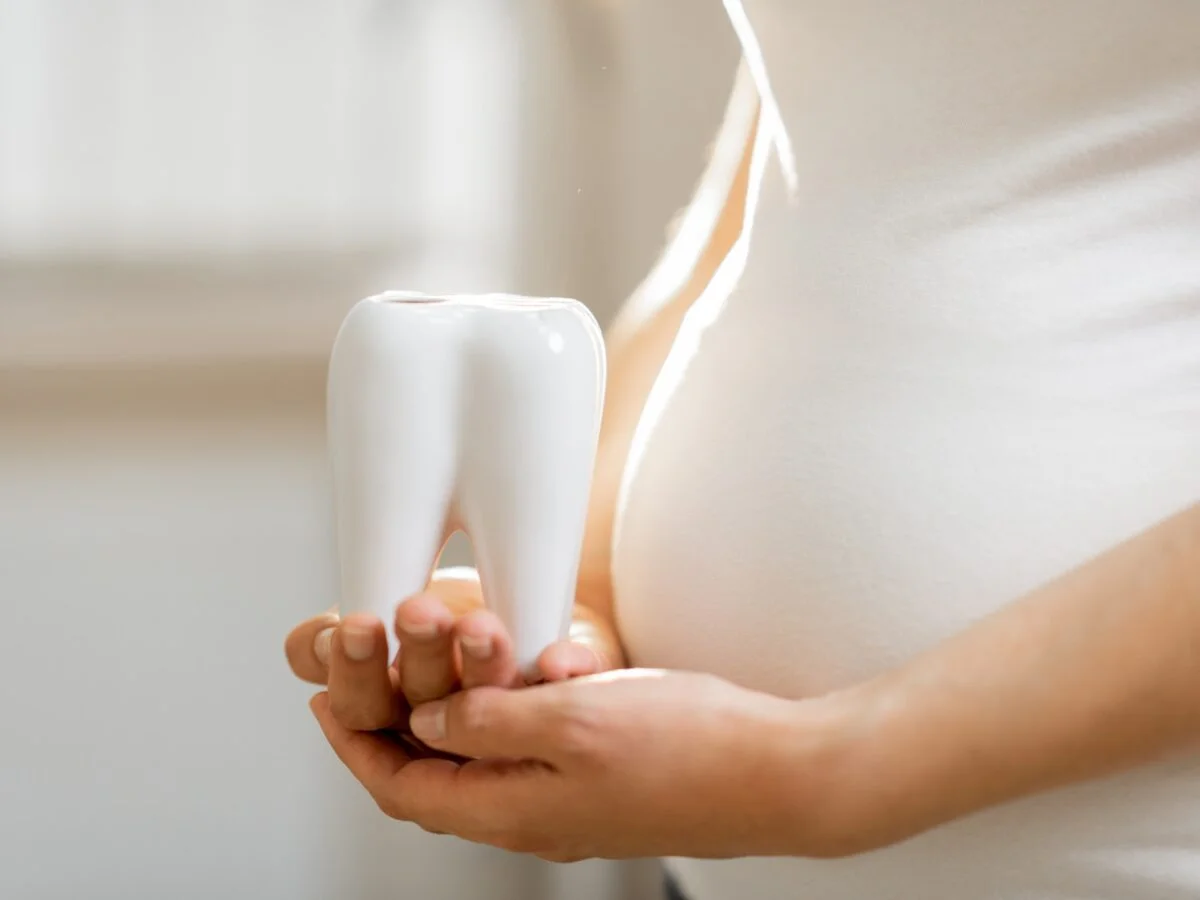
Pregnancy is a time of major physical and hormonal changes, and oral health is no exception. Many women experience dental issues during pregnancy, including swollen gums, bleeding, and increased risk of cavities. Maintaining good oral health during pregnancy is essential not only for the mother’s well-being but also for the healthy development of the baby. Proper dental care can help prevent complications and ensure a healthy pregnancy.
Why Oral Health Is Important During Pregnancy
Hormonal changes during pregnancy increase the risk of dental problems, especially gum disease. Poor oral health has been linked to pregnancy complications such as preterm birth and low birth weight. Taking care of your teeth and gums helps protect both mother and baby.
Common Oral Health Problems During Pregnancy
Pregnancy Gingivitis
Pregnancy gingivitis is common and usually appears during the second trimester. Symptoms include red, swollen, and bleeding gums.
Tooth Decay
Cravings for sugary foods, frequent snacking, and morning sickness can increase the risk of cavities.
Pregnancy Tumors
Some women develop small, non-cancerous growths on the gums due to hormonal changes. These usually disappear after childbirth.
Daily Oral Care Tips for Pregnant Women
Brush and Floss Regularly
- Brush your teeth twice a day with fluoride toothpaste
- Floss daily to remove plaque between teeth
- Use a soft-bristled toothbrush to protect sensitive gums
Choose the Right Oral Care Products
- Use alcohol-free mouthwash
- Select toothpaste that strengthens enamel
- Replace your toothbrush every 3 months
Managing Morning Sickness and Oral Health
How Vomiting Affects Teeth
Stomach acids from vomiting can weaken tooth enamel, increasing sensitivity and decay risk.
Protective Measures
- Rinse your mouth with water or baking soda solution after vomiting
- Avoid brushing immediately after vomiting
- Wait at least 30 minutes before brushing
Importance of a Healthy Diet for Oral Health
Nutrients Essential for Strong Teeth and Gums
A balanced diet supports both oral and overall health.
Key Nutrients to Include
- Calcium for strong teeth and bones
- Vitamin D for calcium absorption
- Vitamin C for healthy gums
- Phosphorus for tooth enamel strength
Dental Visits During Pregnancy
Is It Safe to Visit the Dentist While Pregnant?
Routine dental checkups and cleanings are safe during pregnancy and highly recommended.
Best Time for Dental Treatment
The second trimester is generally considered the safest time for dental procedures, but emergency care can be provided at any stage.
Inform Your Dentist
Always tell your dentist about your pregnancy and any medications you are taking.
Avoiding Harmful Habits
Smoking and Alcohol
Smoking and alcohol use during pregnancy can harm oral health and increase risks for the baby.
Ignoring Dental Problems
Delaying treatment can lead to infections that may affect pregnancy outcomes.
Tips to Prevent Gum Disease During Pregnancy
- Maintain excellent oral hygiene
- Eat a balanced, nutritious diet
- Drink plenty of water
- Attend regular dental checkups
Oral Health and Baby’s Development
A mother’s oral health plays a role in the baby’s future dental health. Bacteria from untreated gum disease can affect the baby, and good oral habits during pregnancy set the foundation for a child’s oral care.
Conclusion
Maintaining good oral health during pregnancy is essential for both the mother and the baby. Hormonal changes can increase the risk of dental problems, but proper oral hygiene, a healthy diet, and regular dental visits can significantly reduce these risks. By following simple oral health tips and seeking timely dental care, pregnant women can enjoy a healthier pregnancy and support the long-term well-being of their child.